Many weekly indicators turn positive as economy prepares for Unlock 3.0.

he government is examining a plan of bank recapitalisation and considering an urban version of MNREGS.
The plan could mature into either an umbrella programme for urban youths similar to the Garib Kalyan Rozgaar Abhiyaan or a modified urban-focused version of MGNREGS.

Infra segment, refinery product impacted the most, even as contraction narrows in latest month.

The Indian Railways is replacing its outdated signalling system with the latest automated train protection technologies - European Train Control System and Train Collision Avoidance System.

Oil marketing companies IOC, BPCL and HPCL have invited expressions of interest from start-ups that wish to be enrolled as fuel entrepreneurs for doorstep delivery of high-speed diesel through mobile petrol pumps.

Existing trade deals, especially the 2009 pact with the Asean bloc, have been panned by the Centre for not boosting exports but flooding the domestic market with cheap imports. Subsequently, New Delhi has called for reviewing FTAs with Japan and South Korea. Going by that, a trade deal with the US is unlikely to be beneficial, say experts.
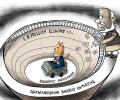
Mumbai traffic, mobile internet speeds, and grocery and pharmacy visits are all showing lower numbers for the latest week.
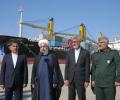
Iran's growing proximity to China may have also played a part.

Under the plan, there will be 151 private trains covering 109 routes which may entail investments worth Rs 30,000 crore.

Apart from land acquisition, another major cause for concern before the project is cost escalation owing to a fall in the rupee against the Japanese yen.
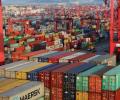
Though the government has been pushing for exports of high-value manufactured goods across major markets in place of raw materials and input goods, India's top exports to China remain in the raw materials category.
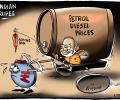
Despite a massive decline in crude oil prices since 2012 -- Modi has been prime minister in six of these eight years -- petrol in Delhi has become 10 per cent costlier and diesel 97 per cent, as of July 2.
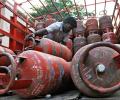
Given that the target was to reach 80.34 million families under PMUY - within three months starting April 1 - the government should have distributed at least 241.02 million cylinders by the end of June. It actually ended up distributing only 119.7 million cylinders.

The development comes amid a growing clamour for the boycott of Chinese products in India, combined with the government's push for Aatmanirbhar Bharat.
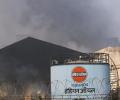
These mega projects, worth about Rs 1 trillion, would boost the economy, ensure smooth supply of petroleum products across the nation and also provide the much-needed relief to people looking to get back to work after the lockdown.
The thinking at the Centre is that since the RBI has ramped up purchases of government bonds, the interest earned on them will be transferred to the exchequer as dividend.

'We are not able to manufacture even low-end products as cheaply as China.' 'We are not buying Chinese goods today out of any love for China.'

Looking into the current situation on the China boarder, IOC has stocked up enough winter-grade fuel for the region. With army movements increasing, the demand for this fuel is expected to increase multifold from the 350 metric tonnes last winter.

The government has been gearing up to place tighter restrictions on the import of 371 items - ranging from toys and plastic goods to sports items, and furniture worth $127 billion.
 © 2026 Rediff.com - Investor Information - Advertise with us - Disclaimer - Privacy Policy - Sitemap - Feedback - About us - Terms of use - Grievances